

After more than a year and a half of finding investment ideas and managing our portfolio, the Aurelion Index, it’s time to lay out our entire playbook.
The aim is twofold: to share a framework for outperforming the market while limiting risk, and to show how we invest and manage the portfolio.
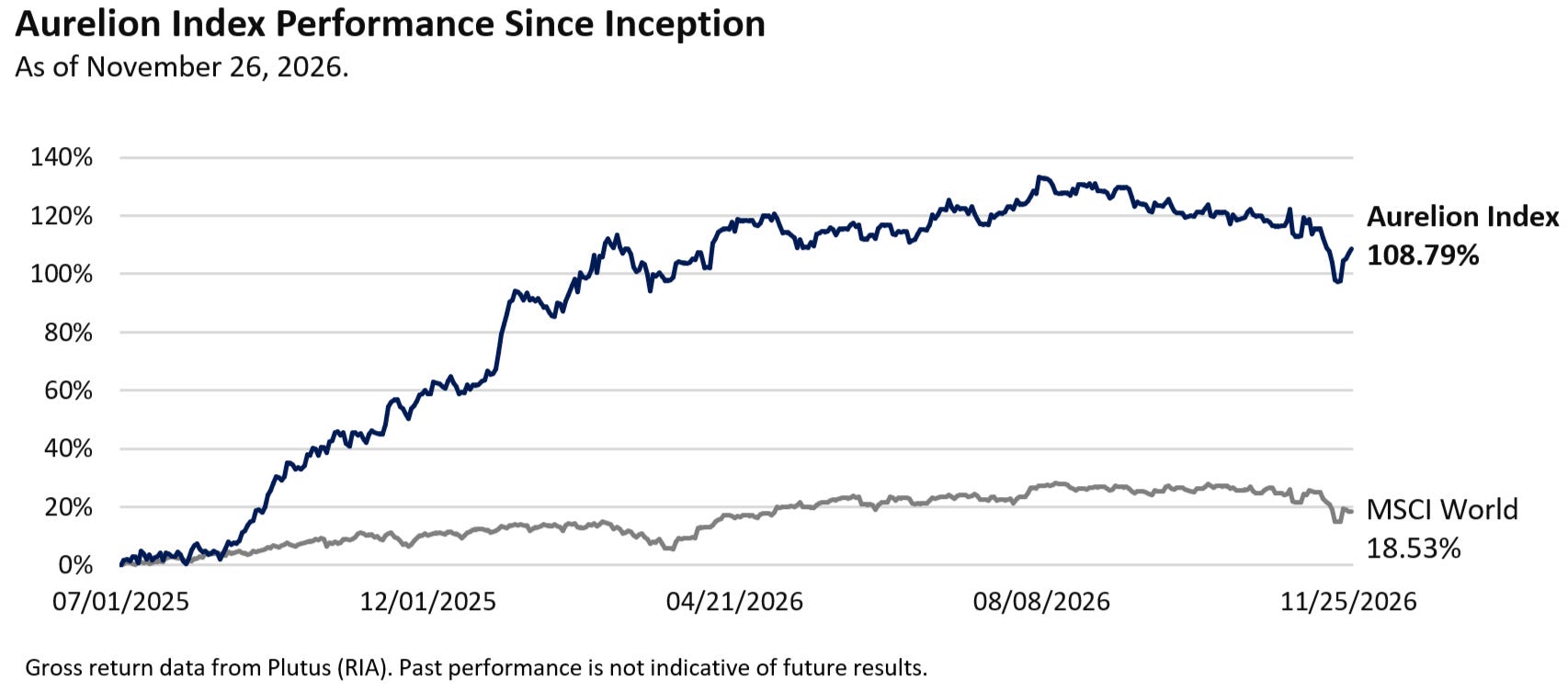
Our returns since inception show that this process works. Our concentrated yet diversified portfolio has generated significant returns while holding on to most of its gains during difficult periods (more details and drivers further below).
The full piece is available as a PDF, where the content is better presented and more detailed. The rest of this article covers the highlights of the report.
The PDF can also be viewed using this link.
Short Summary
We invest in high-quality public companies at inflection points.
We find stocks at any stage of the market cycle using a simple three-step process:

What We Own
We are long-only investors in public companies.
Most sectors, wherever we find the opportunity.
Several geographies: mainly the U.S. and Canada, with selected ideas in Europe, LATAM and Japan.
Companies larger than $250M in market cap (focus on smaller companies).
Long-Term View, Active Approach
We use a 3 to 5 year view, but only enter when the short-term is attractive.
We hold only our highest-conviction ideas, and each position must keep earning its place.
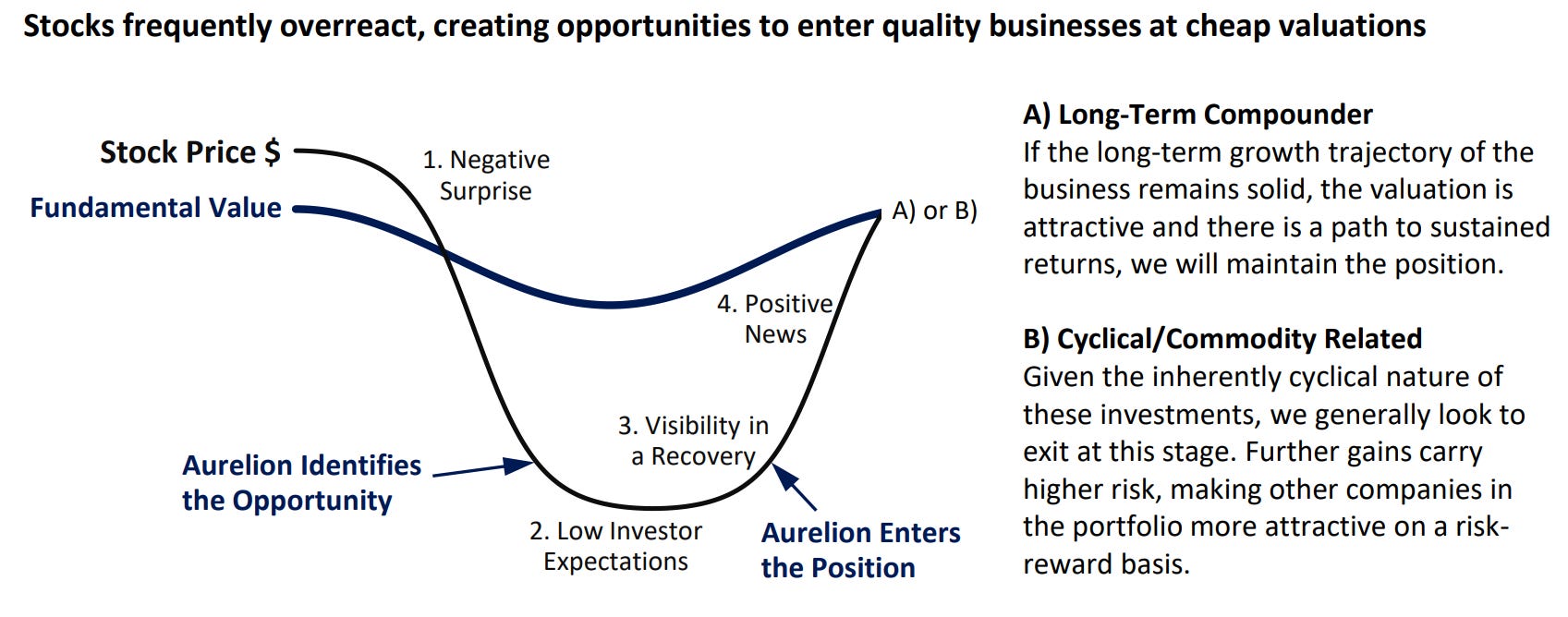
We buy at inflection points, before the news that leads the market to re-rate the stock.
What We Avoid
Companies with low liquidity
Businesses that depend on raising capital to survive
Markets where local investors have the advantage
Our Thematic Framework
Stocks move most when investors change their view of an industry.
We spot these shifts early and buy the best-placed companies before the market catches on.
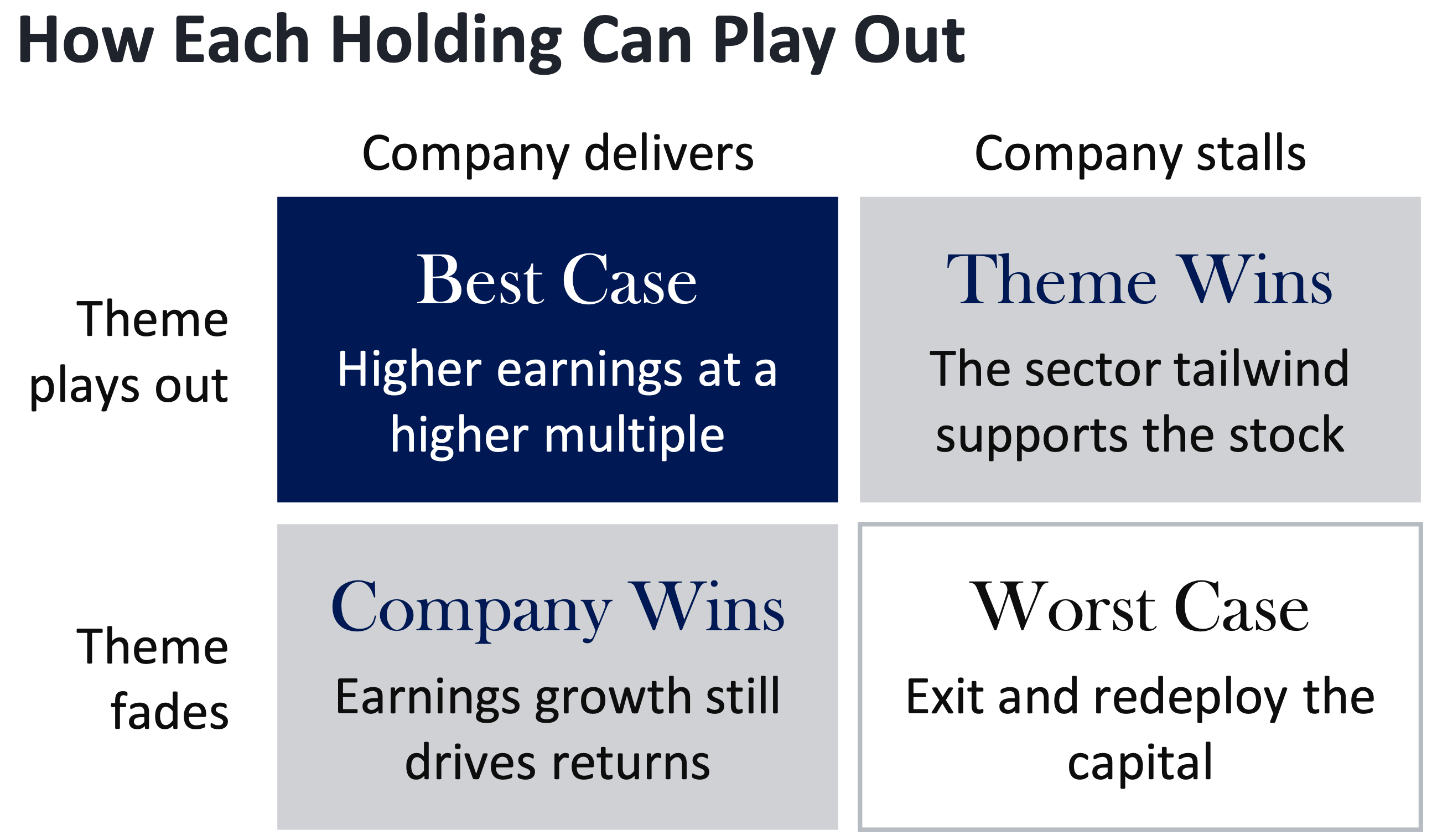
As the theme plays out, earnings grow and investors pay more, so the stock rises twice. Each company must also succeed on its own, which gives two ways to be right.
5 Core Principles
Owning Great Businesses for the Long Term
Investing in Themes at Inflection Points
Meeting Management and Primary Research
Searching Broadly & Concentrating on Best Ideas
Maintaining Diversification to Lower Drawdowns

Performance Since Inception
Before going further, it’s worth reviewing our performance since inception in July 2025.
Performance data is provided and certified by Plutus (runplutus.com), an SEC-registered investment adviser that allows investors to invest in the Aurelion Index. Performance reflects live invested accounts.
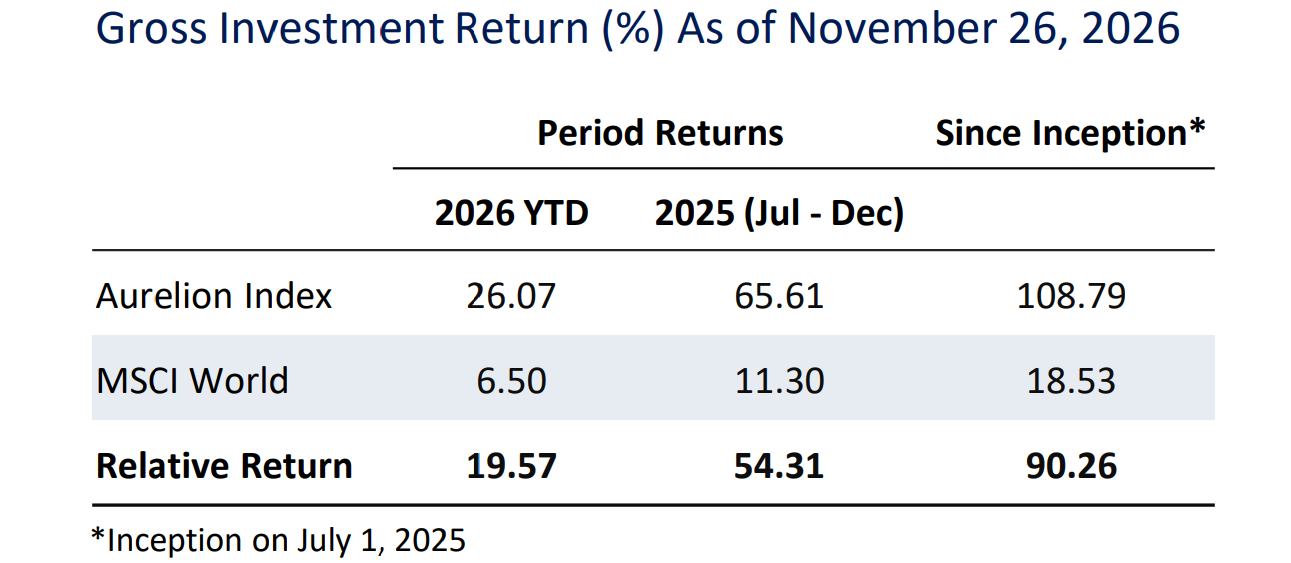
Since Inception Performance
Returns did not depend on a few big winners. Gains came from many unrelated ideas across sectors and regions: chemicals, tankers, aluminum, Canadian defense, space, Japanese equities and life-science tools.
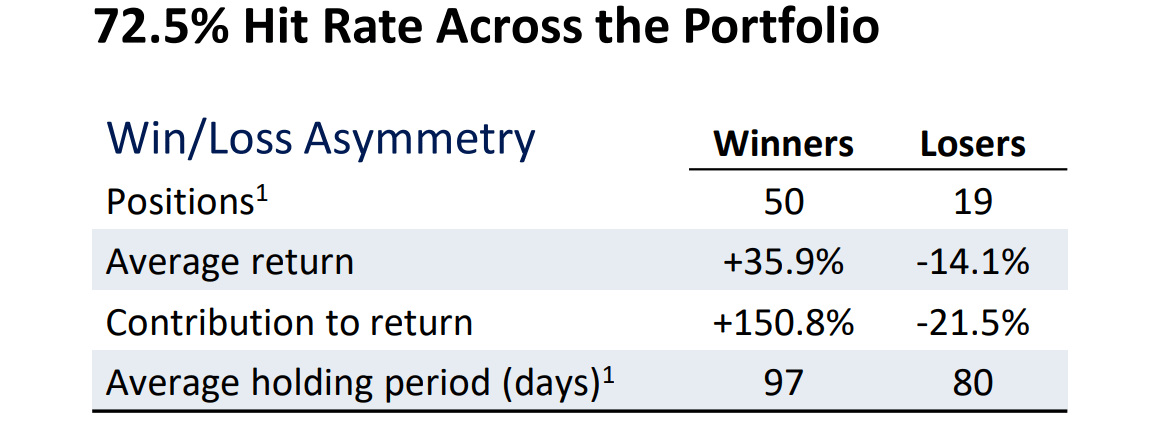
Several holdings more than doubled, including GURU, GG, ECO, BOGO and KRY. We also took profits along the way, selling our gold and silver miners near the peak in January 2026, and reinvested in new opportunities.
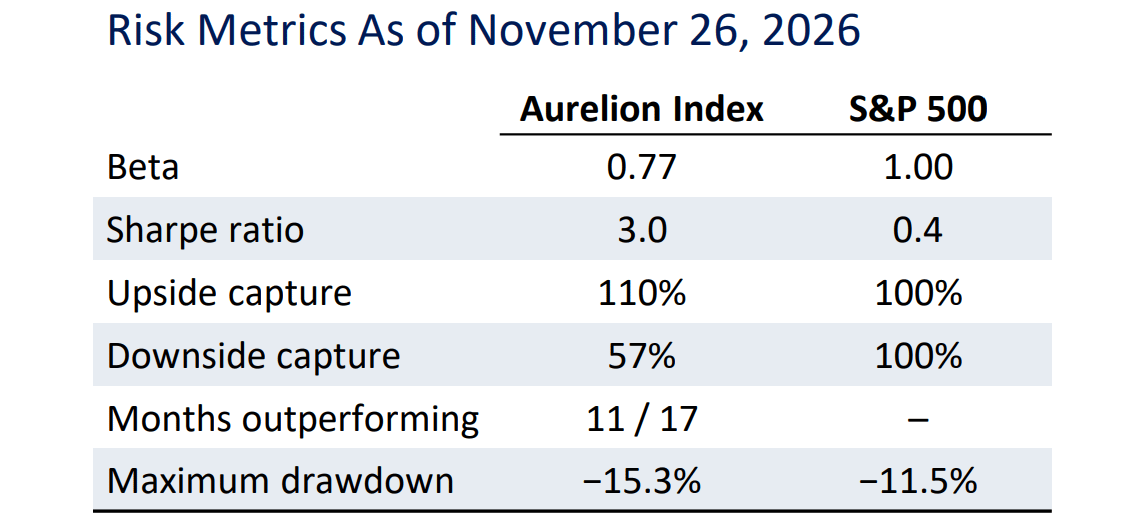
With a beta of 0.77 and little exposure to the AI trade, our outperformance came from stock selection.
Recent Performance
Our recent performance has been below expectations. We anticipated a difficult market and had rotated into sectors like healthcare and financials, but our exposure to mining hurt returns. Gold and other commodity prices turned quickly at the end of summer 2026, which weighed on performance.
Most of that exposure is now gone, and we are waiting to re-enter the sector when the setup looks more attractive. With less commodity exposure, the portfolio is now more resilient to downturns.
Most of the portfolio is also in small caps, which were hit hard in Q3 2026 as higher inflation weighed on them.
More performance statistics are available on Plutus.
1. Core Principles
1) Owning Great Businesses for the Long-Term
We believe owning great businesses is the foundation of successful long-term investing. The idea is not new, but it is often forgotten in times of excitement and at the top of cycles. That is why it serves as the first principle of our framework.
We look for companies with:
A sustainable competitive advantage
An outstanding and aligned management team
High returns on invested capital
Strong or improving operating cash flows
Quality at the Right Moment
A company with these qualities can become a long-term compounder, but only if it is bought at an attractive valuation. We built our process around a simple belief: own great businesses for the long term and buy them at the right moment.
We buy when we see a clear path of upcoming events that should make the market recognize a company’s potential and eventually re-rate its stock. Finding a great company alone isn’t enough; the market needs to recognize its value too.
We believe the best returns come from taking a longer-term view without taking on more risk. Much of the market focuses on the next quarter, often overlooking great businesses trading below their long-term value. By looking several years ahead, we can find opportunities that short-term investors may miss.
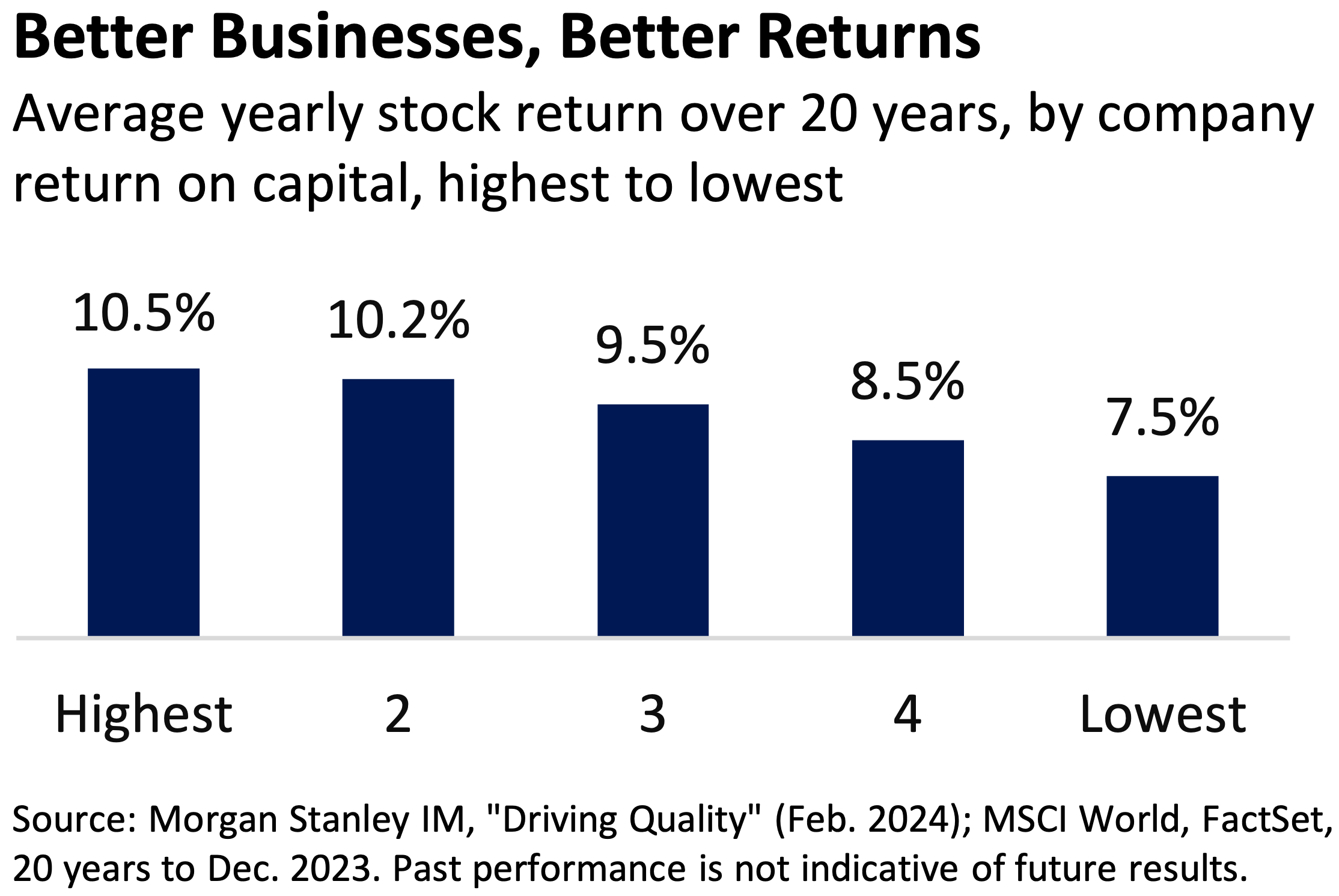
Our expected holding period is 3 to 5+ years, but we actively manage each position and only hold companies we believe remain undervalued.
A longer time horizon allows us to follow businesses as they grow, find overlooked opportunities and compound capital over time.
2) Investing in Themes at Inflection Points
Our thematic research determines where we look, while fundamental research determines which companies we own. We look for companies backed by attractive industry trends. Even if a company underperforms, a strong industry can still support its stock and help limit downside.
Stocks are often driven by changing expectations. When an industry theme gains momentum, earnings can grow while investor interest pushes valuations higher. This creates a “double whammy”: higher earnings and higher valuation multiples.
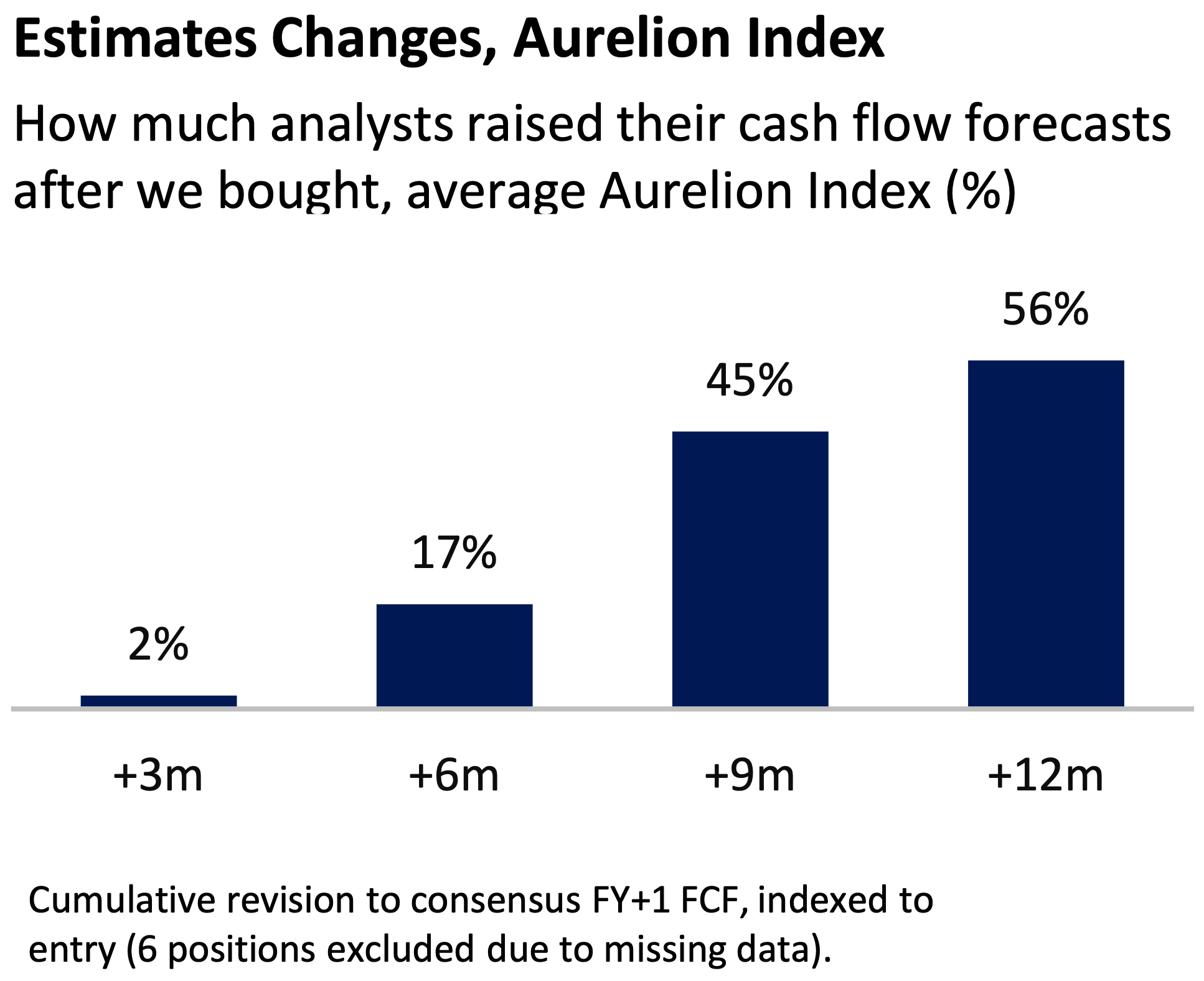
Our track record reflects this approach. After we bought a company, analysts have raised their cash flow forecasts by an average of 17% within six months and 56% within a year.
Two Ways to Be Right
Every company we own must stand on its own.
We research each one independently and look for businesses that can succeed even without the industry theme, whether through an underappreciated story, a turnaround, or earnings the market is underestimating. The theme provides an additional tailwind. This gives each holding two ways to succeed: through the company itself and through the broader industry trend.
3) Meeting Management and Primary Research
“The three most important criteria to successful investing in small caps are management, management, management.”
- Sebastian van Berkom, Founder of Van Berkom & Associates
An Edge in the Age of AI
We believe AI makes primary research more valuable than ever. AI can now read every filing, transcript, and report in seconds, meaning insights from most public sources are quickly available to everyone. As public analysis becomes a commodity, information gathered off-screen and in person becomes one of the most durable advantages an investor can have.
Management Matters Even More for Smaller Companies
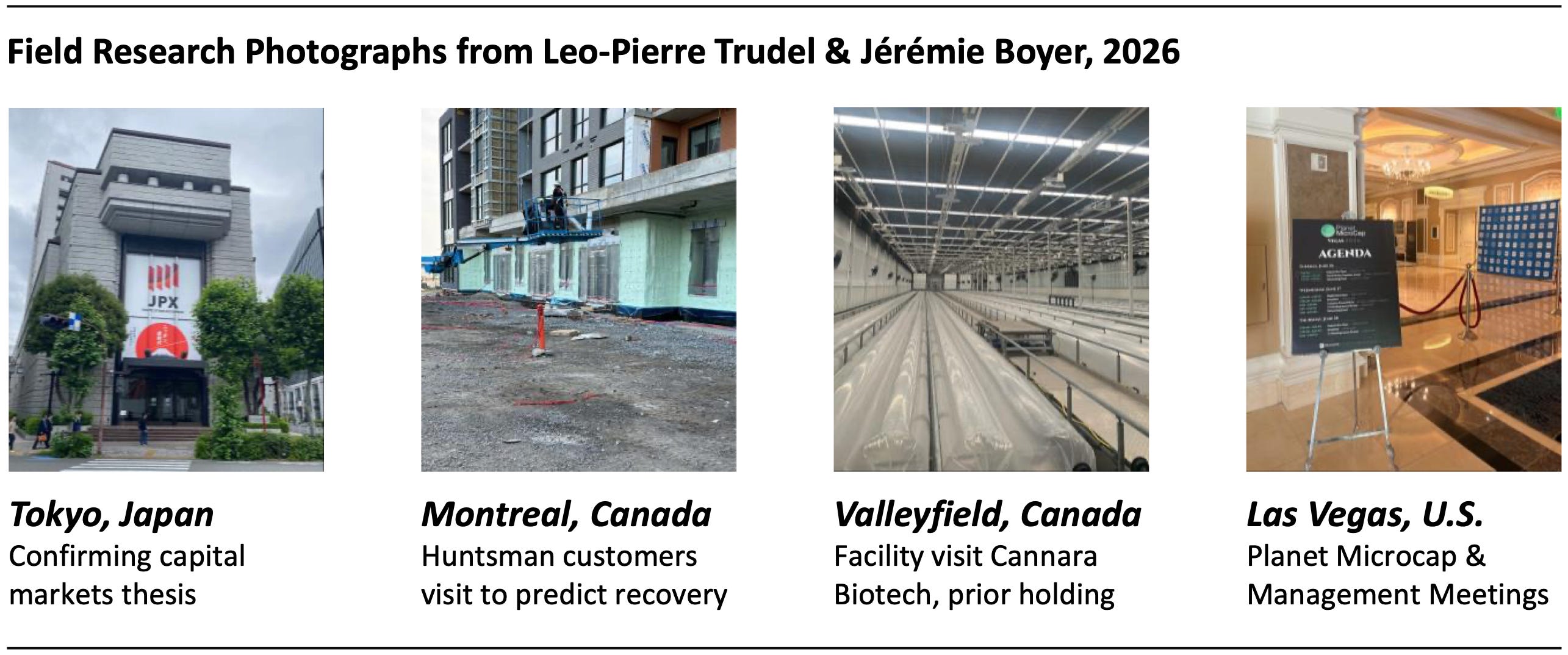
Because our portfolio is concentrated, we know every company we own in depth. Beyond management meetings, we speak with industry experts, conduct channel checks, visit facilities, and exchange views with analysts in our network.
Our focus on smaller companies gives us an advantage. They receive far less market attention, creating opportunities that others may overlook. Speaking directly with management helps us understand their plans, the reasons behind their decisions, and gives us a better feel for the business
4) Searching Broadly & Concentrating on the Best Ideas
Most of the industry is organized by specialization:
One analyst per sector, one fund per region.
We believe this has two costs.
First, it limits the opportunity set. Fewer choices mean fewer chances to find exceptional companies. Second, it creates blind spots, because industries do not move in isolation and specialists may only see one piece of the picture.
We look at every sector and region.
This gives us more opportunities and a clearer view of how one industry affects another. Many of our best ideas came from outside the normal specialist coverage.
To find opportunity and manage risk, we follow each idea across sectors and borders. Markets are connected; therefore, our research must be global.
Importantly, we only buy what we understand. Most of our companies are in Canada, the U.S., and a few other countries we know well. We avoid markets where risks are too high or local investors have an advantage.
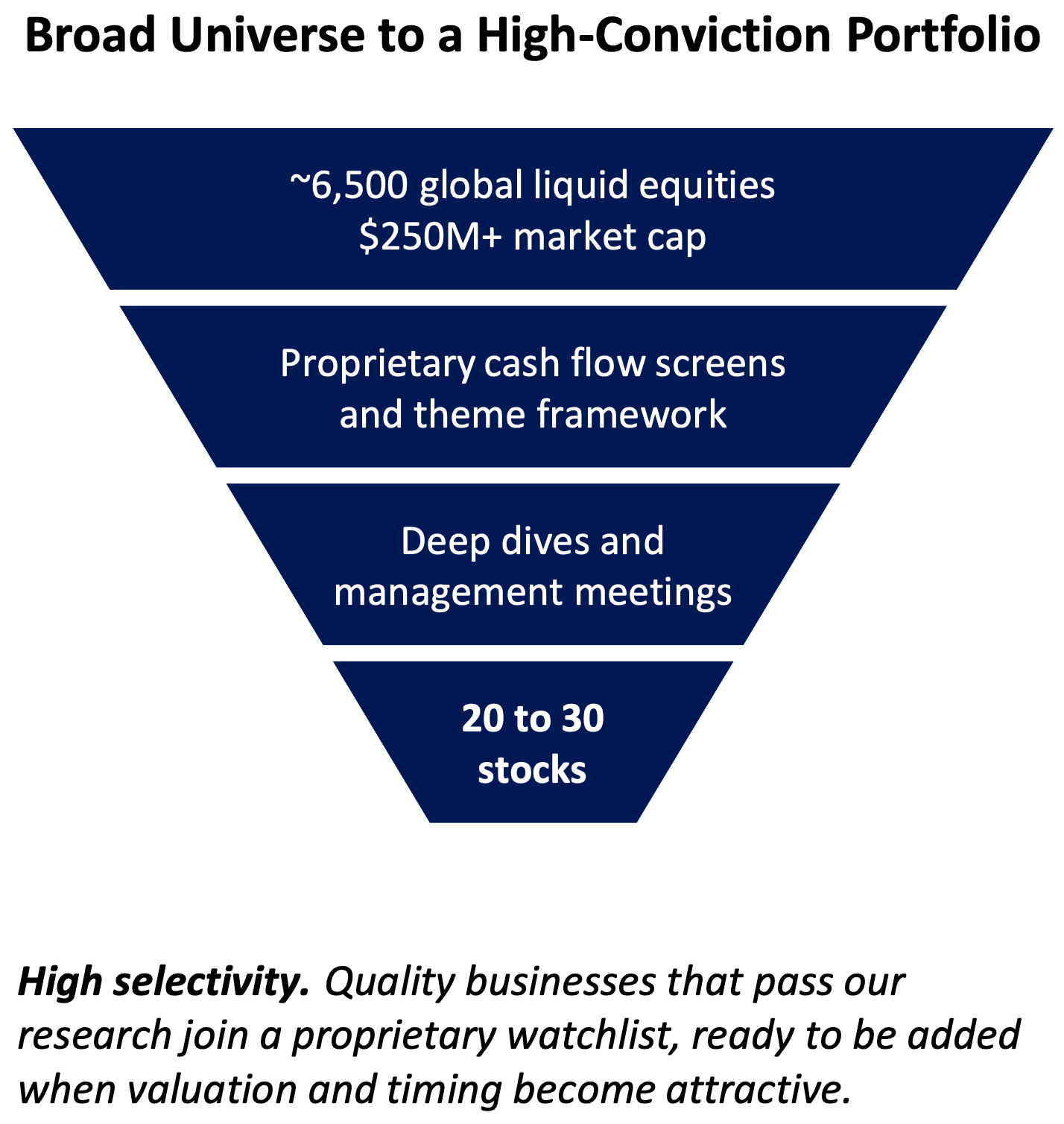
We aim to hold 20 to 30 companies. Many funds hold 50 to 100, meaning even their best ideas have less impact on performance. A new idea enters our portfolio only if it is better than something we already own.
5) Diversification to Lower Drawdown Risks
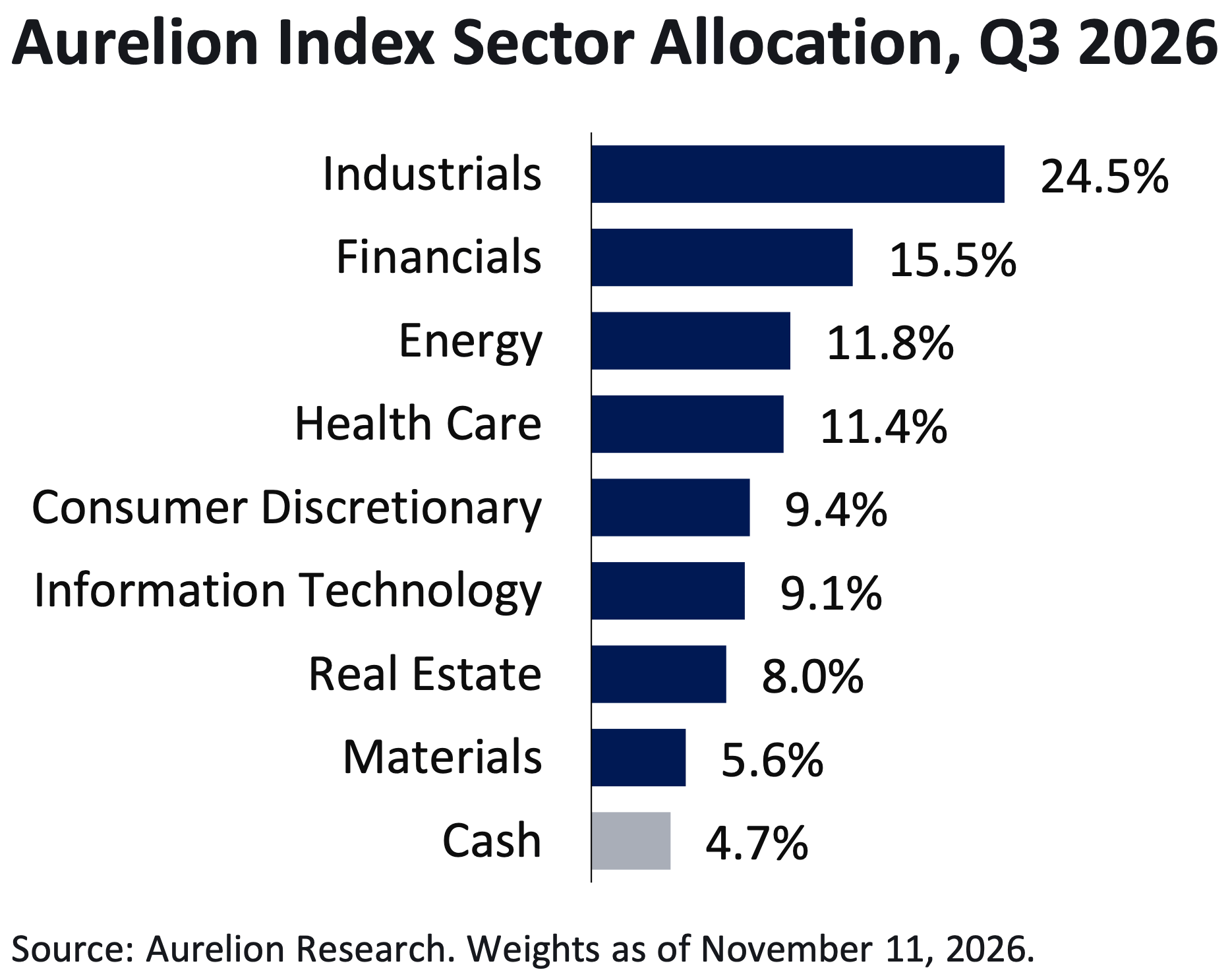
A key part of our process is keeping the portfolio diversified across sectors and geographies. Since these sectors do not always move together, this helps reduce overall volatility. Our goal is to own some of the best businesses across different sectors and generate strong returns relative to the risk we take.
We aim to keep each position between 3% and 8% of the portfolio, so no single company has too much impact on returns. Since inception in July 2025 through Nov 2026, the portfolio has had a beta of 0.77 and a Sharpe ratio of 3.0, showing lower volatility than the broader market and strong returns for the risk taken.
2. Investment Process
Where We Look
We start with about 6,500 global listed companies with a market capitalization above $250 million. This threshold helps us avoid companies with insufficient liquidity. Our focus is primarily on the United States and Canada, with selected opportunities in Europe, Latin America, and Japan.
Why Smaller Companies
Smaller companies receive far less analyst coverage. Large-caps have 21 analysts on average, compared with 11 for mid-caps and just 6 for small caps. Many are also too small for large funds to invest in meaningfully. Less coverage creates more opportunities for mispricing and independent research to uncover value.
How We Find Businesses at Attractive Valuations
Buying at the Right Moment
A negative surprise can push a quality business well below its value and lower expectations. We look to buy once we see signs of a recovery, before positive news leads the market to revalue the stock. This is where our watchlist matters most: the research is already done, allowing us to act while expectations are still low.
When We Sell
The investment thesis is broken. As fundamental analysts, we have clear deal breakers. The facts must continuously support our thesis.
The stock becomes too expensive. If the share price rises well above our estimate of value, the potential upside may no longer justify the risk.
A better opportunity comes along. A position in our portfolio is all about opportunity cost.
Building the Portfolio: We hold 20 to 30 companies, each sized at 3% to 8% of the portfolio and spread across sectors that do not move together. Position size reflects our conviction and the risk of each stock.
Our Commodity Playbook
Commodities are essential to our daily lives. From food and fuel to cars and buildings, they are behind almost everything we use. Demand doesn’t simply disappear, but each commodity has its own supply and demand dynamics.
This is an area where experience matters the most. In our case, we have spent years researching and investing across offshore drilling, oil, gold, shipping, chemicals, and fertilizers. This has given us an understanding of these industries, the companies within them, and what drives commodity cycles. It has also helped us identify opportunities and time our entries and exits well, more often than not.

Timing these markets takes more than following supply and demand.
It requires good judgment and discipline. Just as important is knowing when to get out, accepting when the market is moving in a different direction and avoiding the temptation to fight the trend.
Investing Through Quality Commodity Companies
We focus on publicly traded companies, not futures. This allows us to look beyond commodity prices and focus on the businesses themselves.
Why Have Commodity Stocks Alongside Traditional Equities?
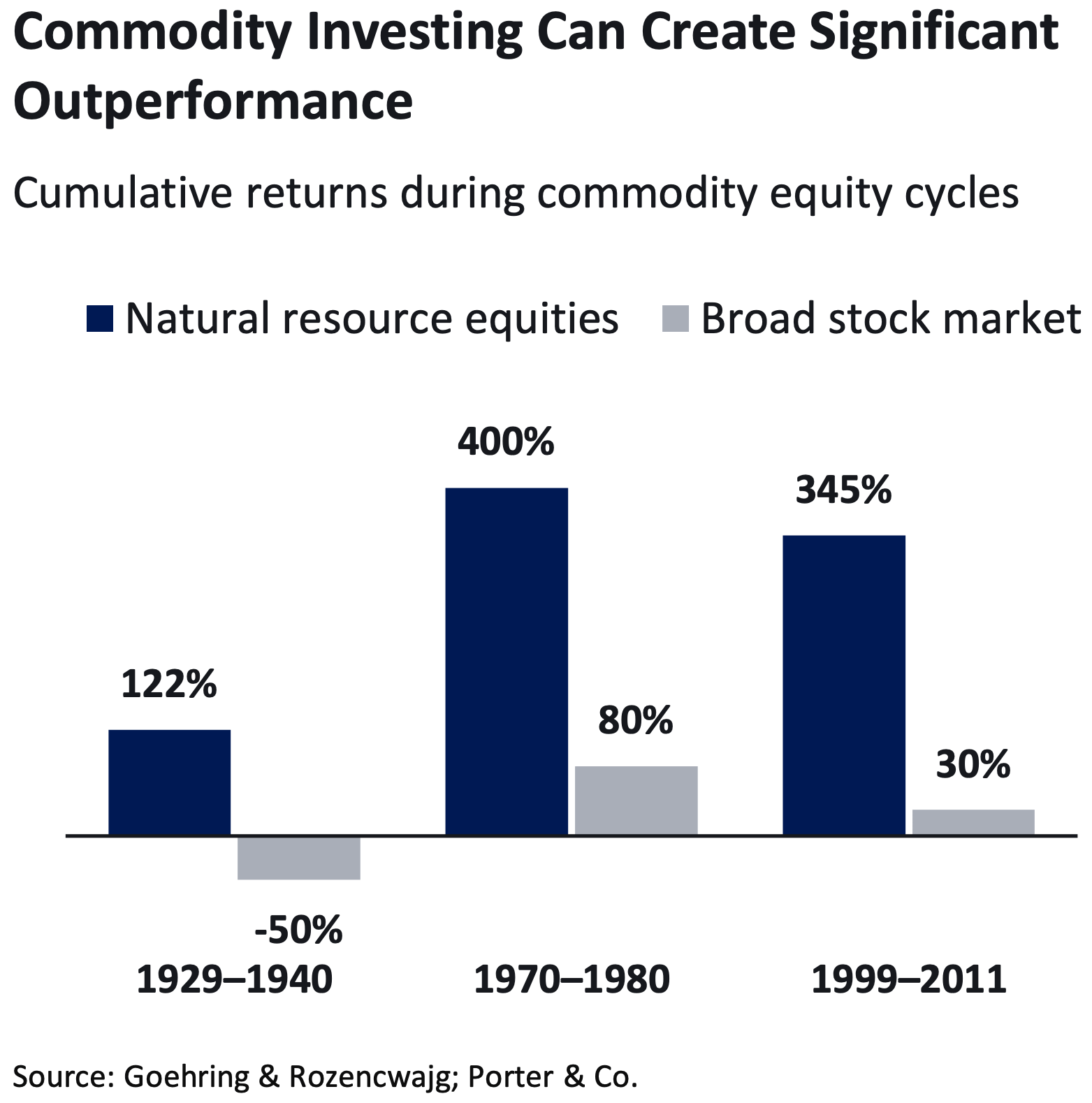
Commodities offer something different from traditional stocks and bonds. They can help diversify a portfolio, provide some protection against inflation, and generate strong returns when we position ourselves ahead of a bull cycle.
3. Company Valuation
Why We Focus on Free Cash Flow
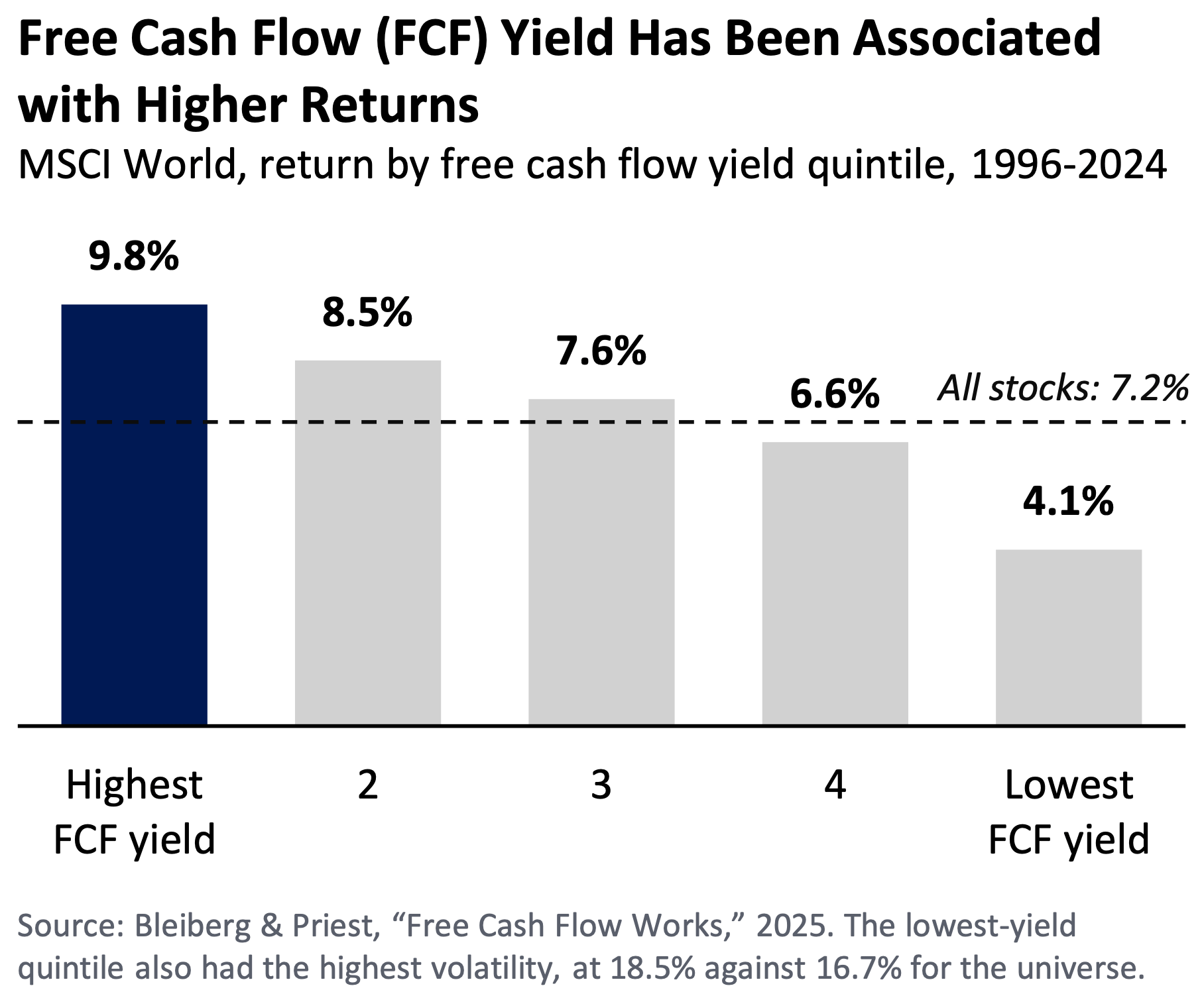
Cash generation helps protect the downside. A company that generates cash has more support for its valuation, while one that constantly burns cash has less. Historically, portfolios of cash-generating companies have had lower risk and smaller drawdowns.
Earnings Growth, Valuation Growth and Probability
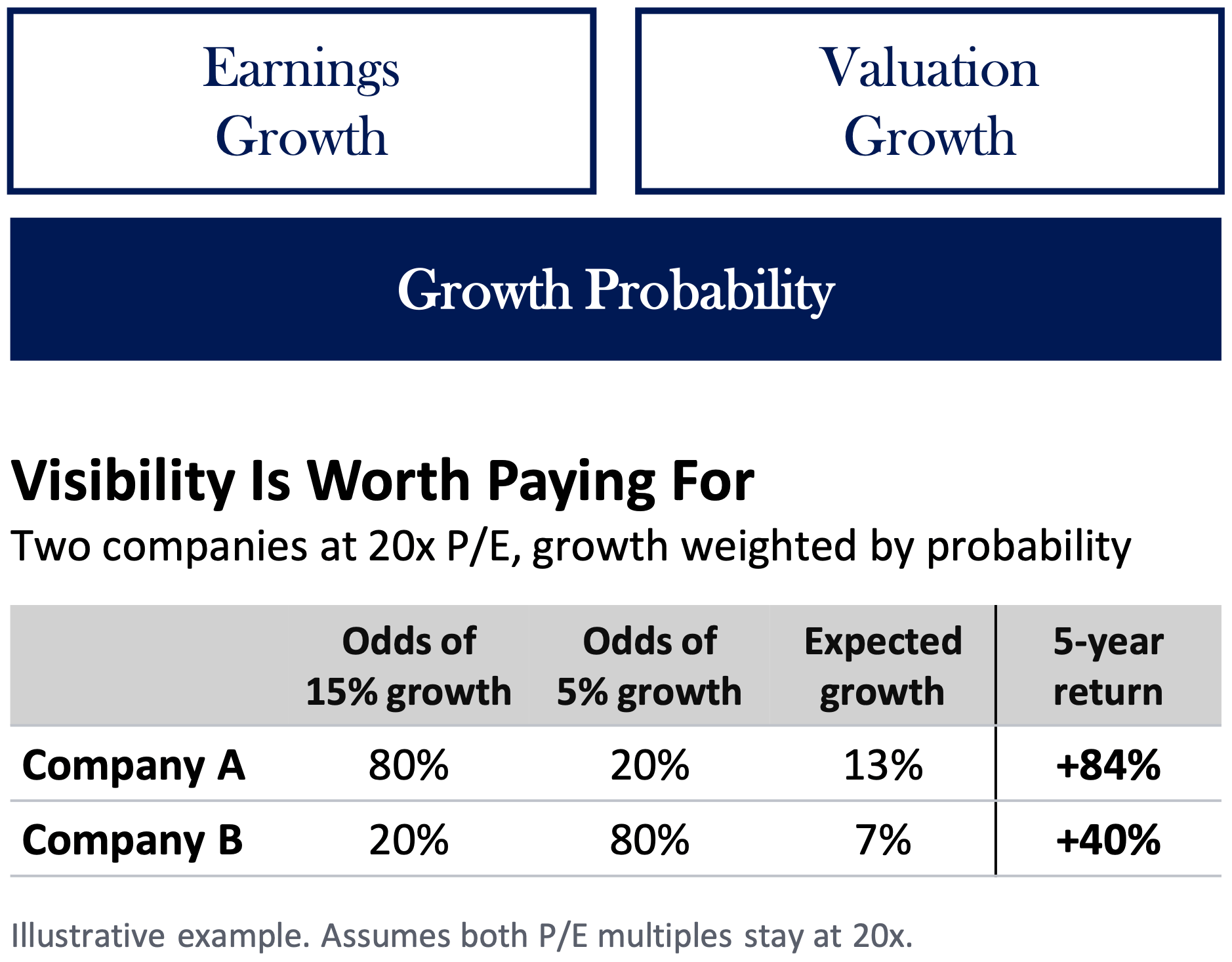
Returns on a stock come from two sources: earnings growth and changes in the valuation multiple.
We also focus on the likelihood of each one happening. We would rather own a company growing 10% a year with high visibility than one promising 15% with more uncertainty. In small caps, often followed by only one or two analysts, telling the difference takes primary research. We aim to own the first, or buy the second only at a big discount.
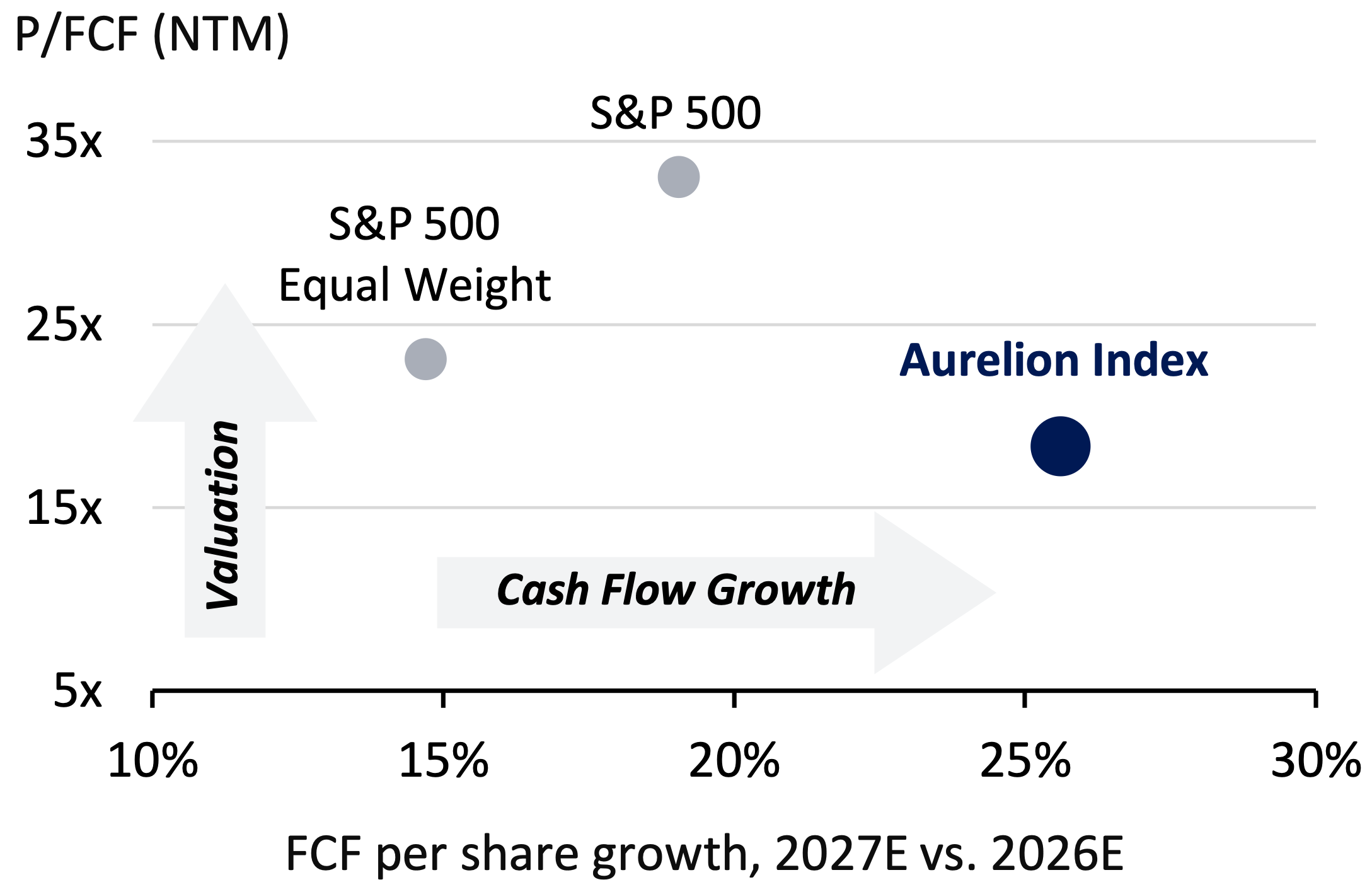
The Aurelion Index Grows Faster at a Lower Valuation
Our process aims to benefit from both return drivers. We look for companies that can grow faster than the market while trading at attractive valuations. This gives us the potential for earnings growth and a re-rating, while providing a margin of safety through lower valuations, lower expectations, and less downside.
How We Value a Company
Every holding has a 3–5 year price target.
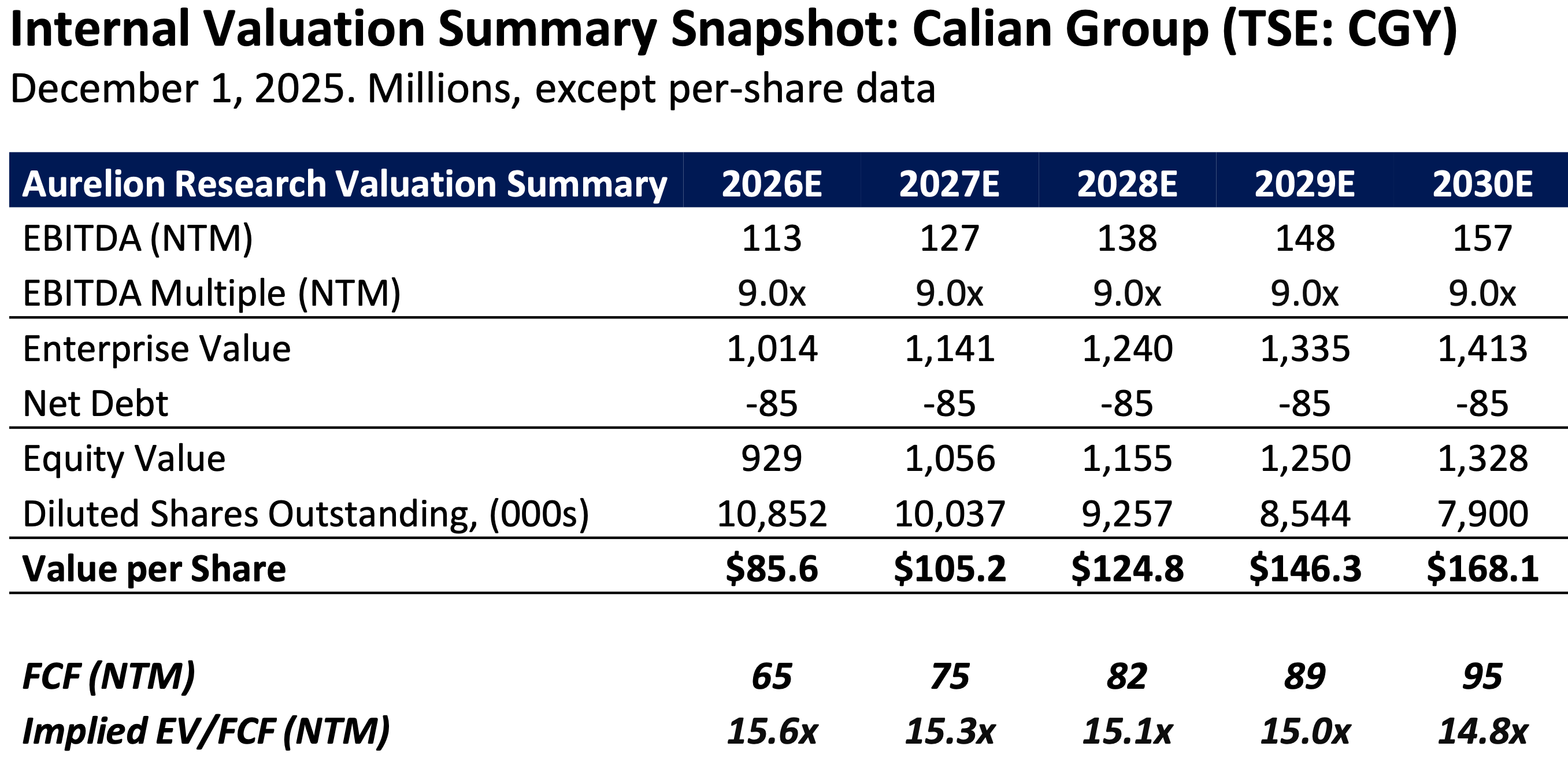
We project EBITDA and free cash flow, then apply a multiple that reflects what we believe the business is worth today and in the years ahead. We generally look for at least 150% upside over five years, or about 20% a year in share price.
4. Investment Examples
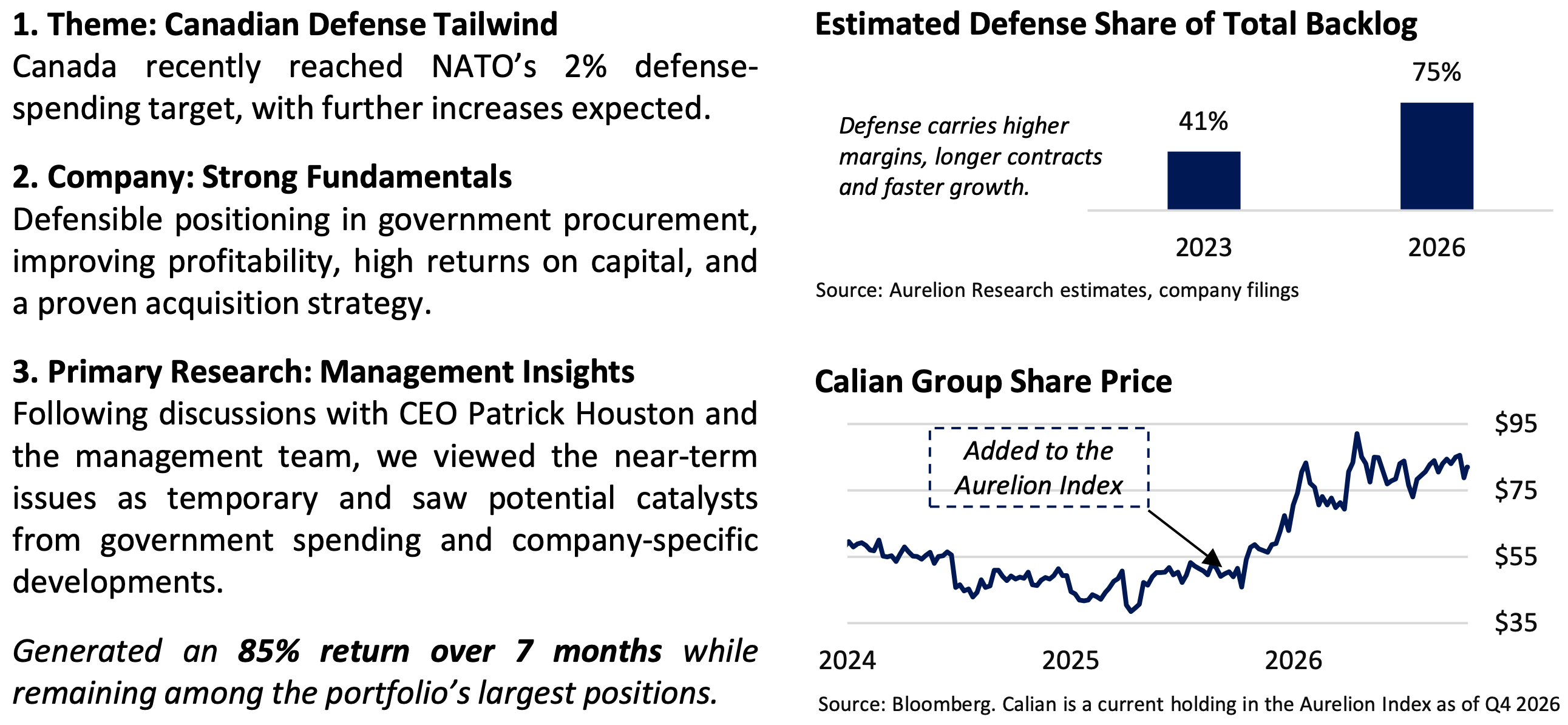
Calian Group (TSE: CGY)
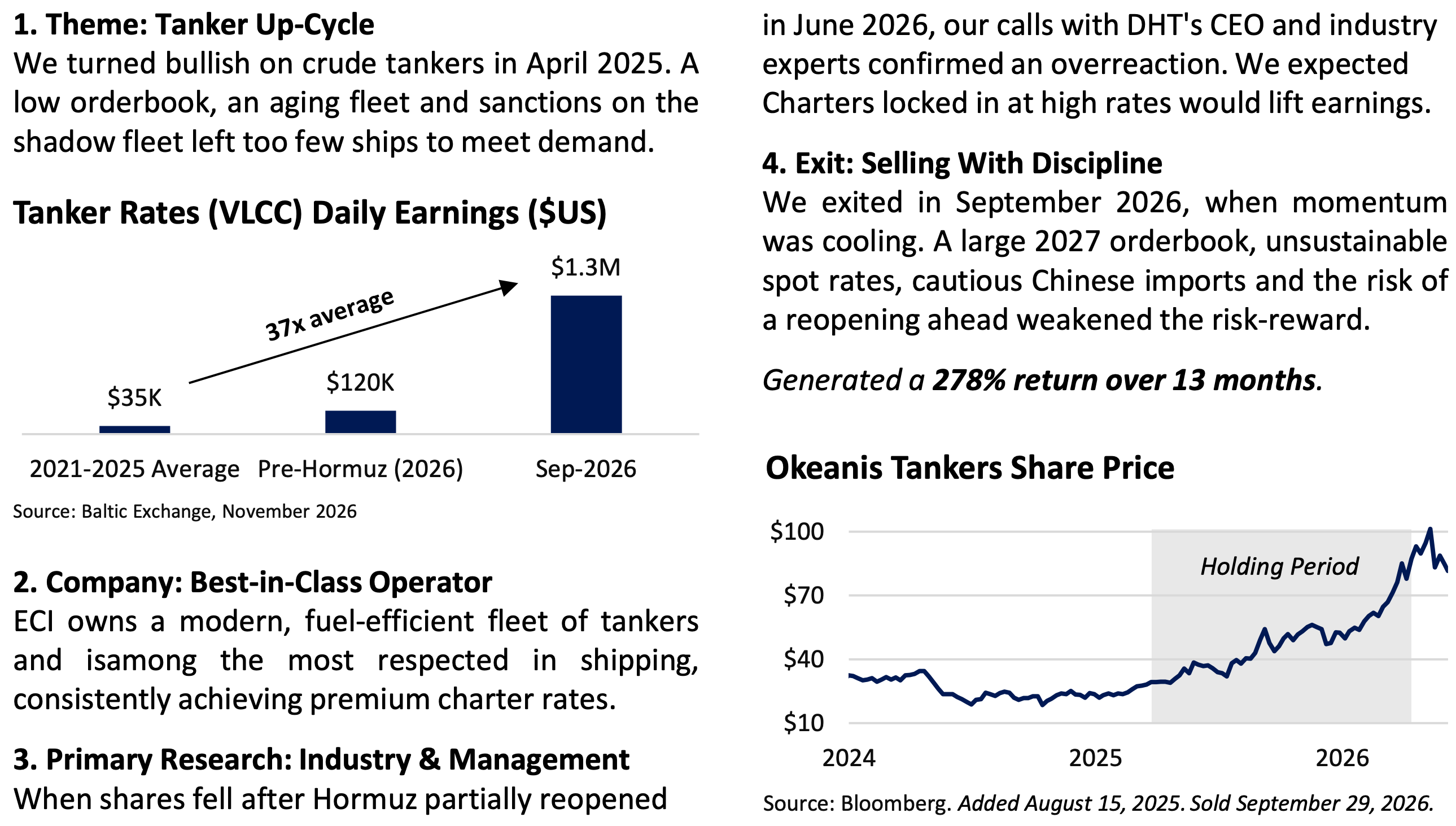
Okeanis Tankers (NYSE: ECO)
5. Risk Management
Avoiding Permanent Loss
We separate volatility from risk. A falling share price is only temporary if the business keeps growing. Permanent loss happens when the earnings and the multiple paid for them fall at the same time.
We avoid it by owning businesses that can absorb a bad year and by refusing to overpay. A strong company bought at a fair price can recover but a weak company bought at a high multiple often never does.
Managing Risk During Market Drawdowns
We invest across different industries and themes to avoid relying too heavily on any one sector or market trend. We balance higher-risk investments with more defensive companies that can help stabilize the portfolio during market declines.
When markets fall, we may trim riskier stocks and add to more resilient ones. We also focus on whether the investment thesis has changed, not just the share price. If the business remains on track, a lower price may be an opportunity to buy more. If the thesis is broken, we sell, regardless of the loss.
Read Our Research & Positions
Our portfolio positions, trades, and research, including the analysis behind each decision, are published on Substack for subscribers.
Implement Our Strategy
Investors can implement our flagship strategy, the Aurelion Index, through Plutus (runplutus.com), an SEC-registered investment adviser. Accounts are opened online, assets stay in the investor's own brokerage account, and positions can be adjusted or withdrawn at any time.
Questions? Reach us at contact@aurelionresearch.com.
For the full investment philosophy, download the PDF version below:
The PDF can also be viewed using this link.
View how the portfolio is positioned here: Aurelion Index Link.
Latest article:
