

A lot has happened since the ceasefire between the US and Iran came into effect.
We have seen several major changes in global markets:
Oil prices have fallen sharply, from over $100 to below $75.
Gold and silver have also declined significantly.
The Strait of Hormuz has partially reopened.
The shipping market has been fading (for now).
The ceasefire is now (somewhat) in place.
We picked up a lot of good insights from our discussion with Svein Moxnes Harfjeld, CEO of DHT, arguably a legend in the tanker industry. He scaled DHT from a small tanker leasing firm into a leading crude tanker operator.
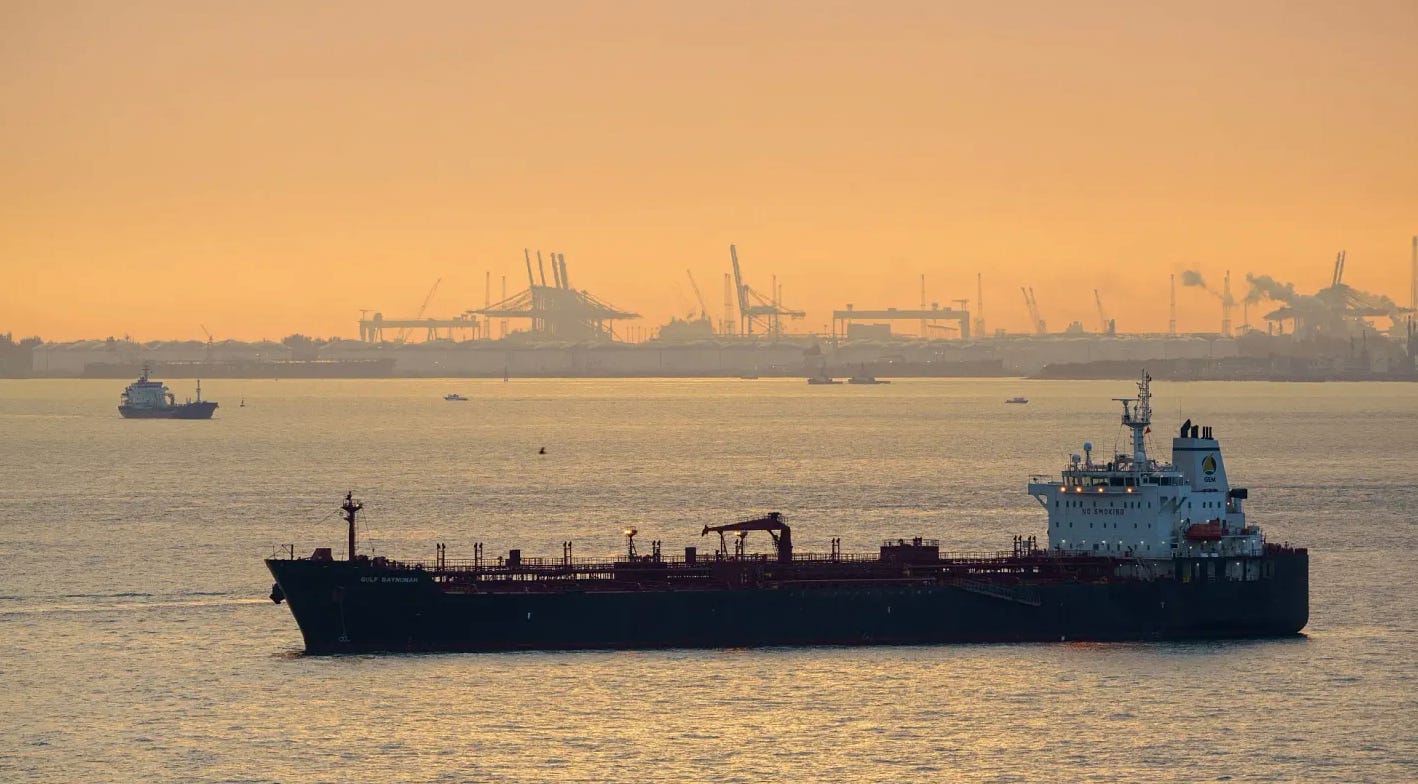
In shipping, you have to deal with everything happening at the same time.
Macro factors, geopolitical conflicts, risk premiums, catalysts, and politics all interact and can move the market in either direction. To navigate it successfully and avoid getting burned, we believe it is essential to analyze and continuously monitor the small details that, collectively, can shift this massive market.
These dynamics ultimately affect our daily lives because almost everything we consume is transported by a container ship, bulk carrier, or tanker.
‘‘One thing to remember in shipping: you should never fall in love with a ship.’’
Table of Contents
The Current Situation in the Strait of Hormuz
Understanding Shipping Market Dynamics
In Conversation: CEO of DHT Holdings Inc
3.1 The Situation in the Strait of Hormuz
3.2 VLCC Insurance Rates
3.3 What the Market Is Missing About Tankers
3.4 Tanker Owner Behavior: Today vs. Past Bull Cycles
3.5 How to Spot the End of the Tanker Cycle
In Conversation: Shipping Analysts & Industry Experts
Our Favorite Investment Ideas Across Shipping
What Could Go Wrong?
Our Outlook for the Shipping Market
1. Current Situation in the Strait of Hormuz
Every day, new headlines report how many ships have transited The Strait or how many tankers have loaded cargo and are now heading toward their destinations.
The problem is that shipping data is fundamentally different from most financial or commodity data. If you look at oil inventories, production, or futures prices on a Bloomberg Terminal, you can generally assume the data is highly accurate, but with shipping, it is a completely different story.
Almost no data provider, even the most expensive ones, has a complete real-time view of global vessel movements. We believe that is one of the main reasons why so many investors misunderstand the shipping market.
As market participants, we rarely have the full picture, and the truth is that we never will. This applies to analysts, investors, economists, and even industry professionals. The information available at any given moment is always incomplete, especially during periods of intensified geopolitical tension.
Even the best commercial data providers, such as Kpler, cannot capture every vessel movement in real time. Their data is among the most complete available, but it is still not perfect. That is also what makes shipping interesting, isn’t it? Yes, shipping is a cyclical business, but one that can deliver substantial returns.
Kpler even acknowledges this itself:
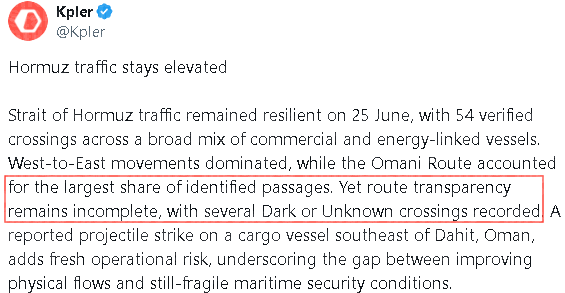
To us, the takeaway is simple: whenever we analyze shipping data, we should always assume there are more ships moving than what we can see on our screen. The dark fleet is difficult if not almost impossible to track.
A Closer Look at a Russian Shadow Fleet Crude Oil Tanker
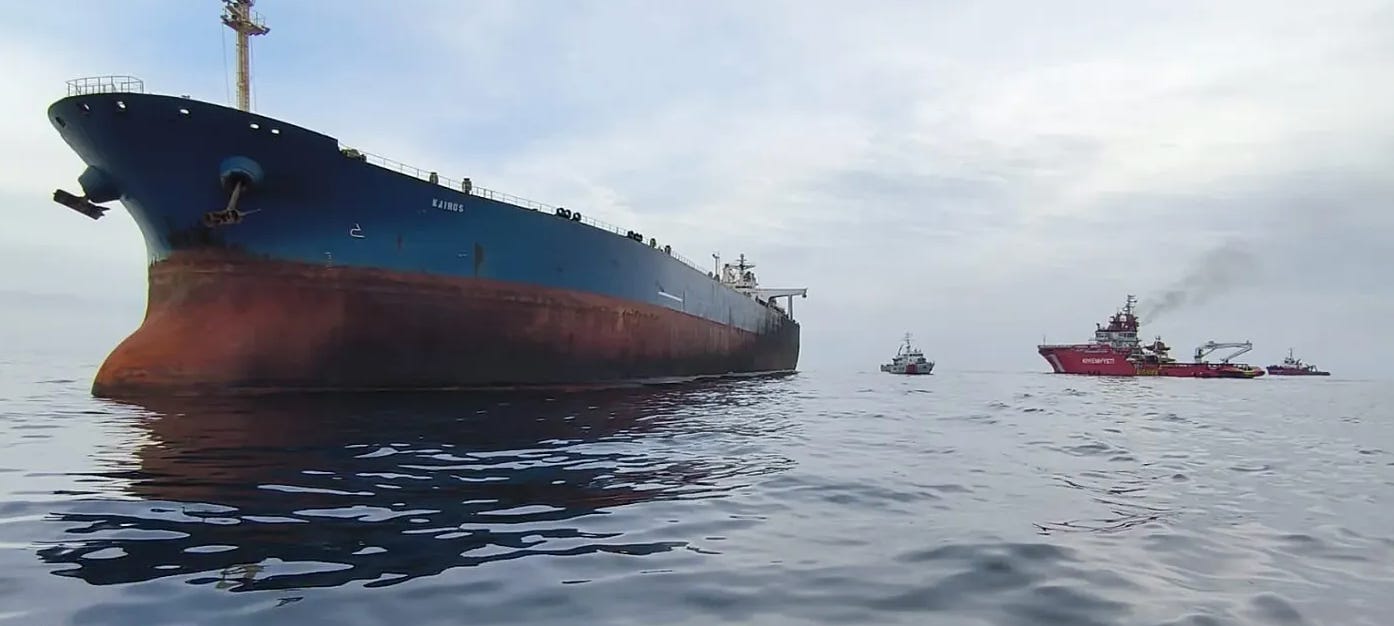
The market has always agreed that the signals from these clandestine ships (the shadow fleet) can be delayed, disabled, or even cut off, and reporting takes time to filter through the system. Vessel tracking data should be treated as a strong signal of market activity instead of a complete picture of it.