

We are back with another Primer. It has been a while since we covered the mining sector, and today we are focusing entirely on nickel.
Why nickel today? It is a critical mineral that the market has punished heavily since 2023, largely due to oversupply. Indonesia is the biggest producer, and they rely heavily on this industry. It generates massive revenue for them, so you cannot blame them for overproducing. However, the more they produce, the more it distorts the supply and demand balance.
As you can see in the chart below, this is directly reflected in the price. When production floods the market and exceeds demand, prices naturally fall.
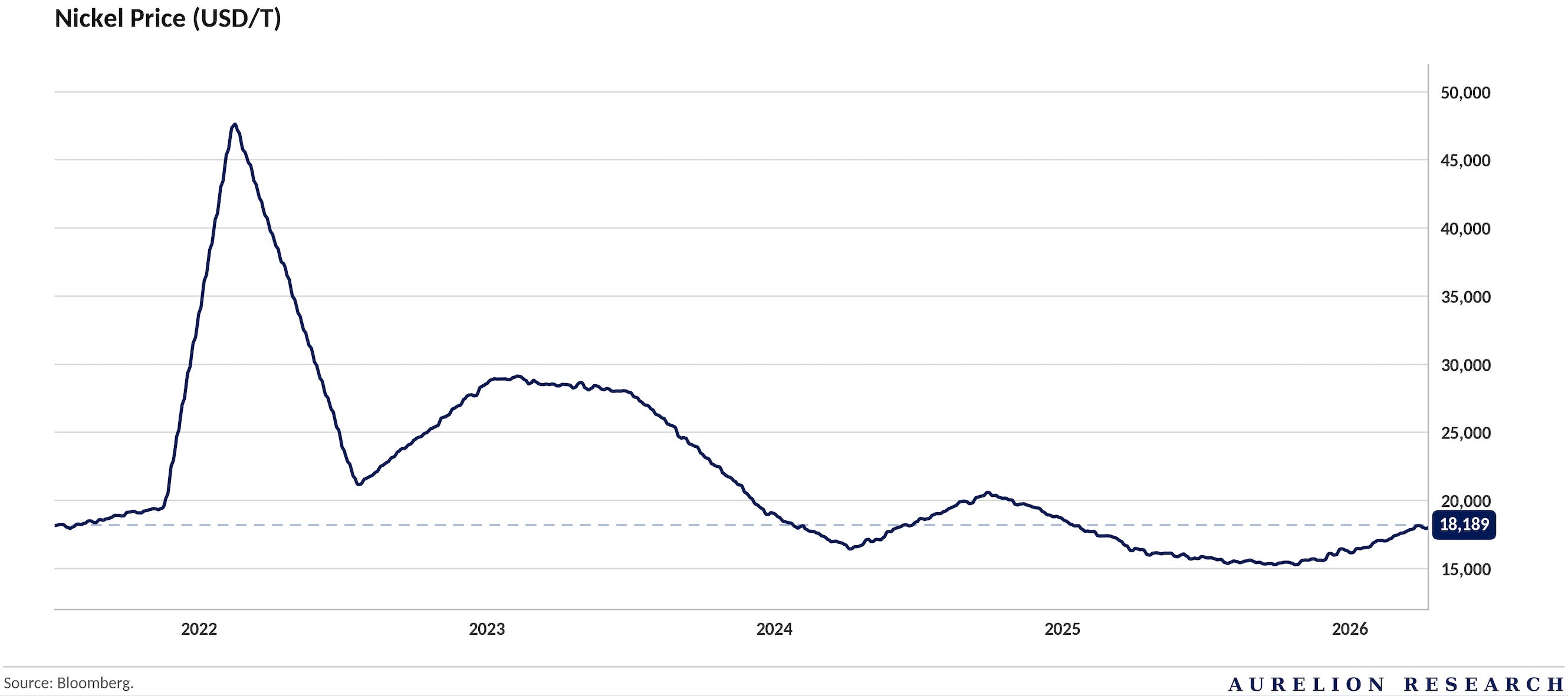
This dynamic is exactly why we stayed on the sidelines. It was simply too risky, the trend was fading, and the outlook was ugly. So why look at it now?
The story has changed, and we like the new setup a lot. We believe the risk/reward profile has clearly improved. With Indonesia significantly cutting production in 2026, the overall outlook is suddenly much brighter.
The reason we are writing this primer is simple. Aside from a great piece by Macquarie Commodity Research, we have not seen any other real deep dives into the nickel market. We think that is a mistake because this commodity deserves far more attention than it currently receives. It has the potential to be the next big mineral. While the demand might not reach the sheer scale of copper, nickel absolutely should be discussed just as much as lithium.
Table of Contents
Nickel Market Overview
What Is Nickel?
The Process of Producing Nickel
Why the World Will Need More Nickel in the Coming Decade
Breaking Down the Nickel Producers
5.1 PT Vale Indonesia
5.2 Norilsk Nickel
Our Favorite Nickel Miners
Indonesia Dominates Global Nickel Supply
Don’t Forget the Philippines
Key Risks to Watch
Our Final Take on the Nickel Market
1. Nickel Market Overview
We always begin our primers with a market overview, as understanding the broader dynamics of the nickel market provides essential context before diving into the specific details and the investment thesis.
Here is exactly what is driving the market today:
The Demand for Nickel. The global shift toward green energy is creating massive demand for nickel. The metal is absolutely essential for manufacturing the batteries that power electric vehicles and store renewable energy. Because production is concentrated in just a few regions, securing a steady supply of nickel has become a major concern for global supply chains.
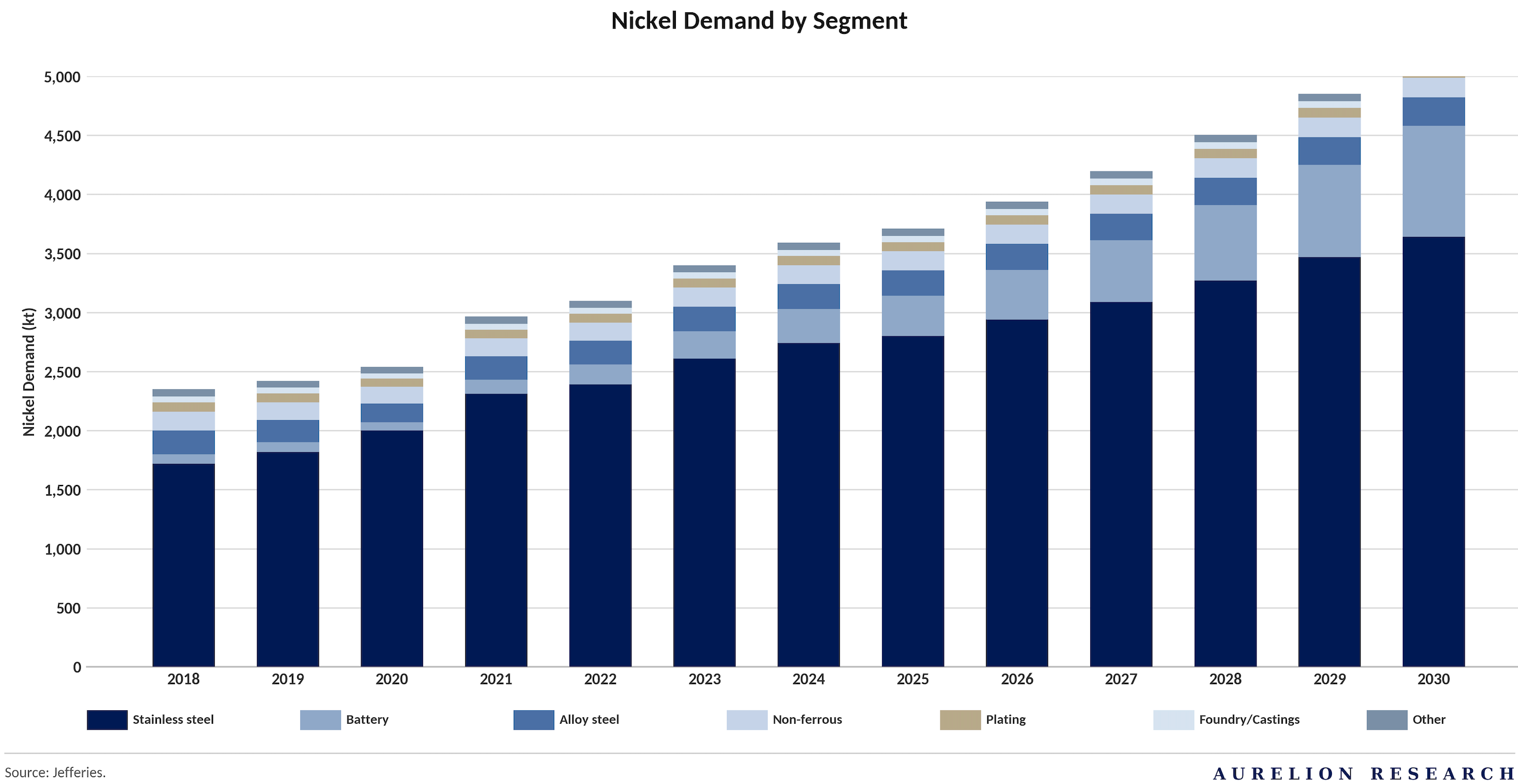
Macquarie expects total nickel demand to grow 5.4% this year, reaching 3.7M tonnes. Higher stainless steel production in China will drive the majority of this growth. European stainless steel production should also recover as new trade rules restrict outside imports. Energy storage systems will create additional demand, growing by 16,000 tonnes to reach a total of 47,000 tonnes in 2026. However, if nickel prices climb too high, battery makers could switch to cheaper alternatives like LFP or sodium ion chemistries.
The largest nickel-consuming countries driving this demand are China, Indonesia, EU member states, Japan, the USA, and South Korea.
The Hidden Value in Nickel Mining. Extracting nickel brings additional financial value through important byproducts. The mining process also yields copper and platinum group metals. Copper is crucial for a wide range of industrial uses and the broader electric grid. Platinum group metals, including platinum and palladium, are necessary for building automotive catalytic converters and advancing fuel cell technologies.
Indonesia Changes the Rules. National trade policies directly control the global nickel market. In 2020, Indonesia banned the export of unprocessed nickel ore. The government made this move to force companies to build smelting and refining facilities inside the country. The goal was to create a strong domestic industry, attract foreign investment, and secure a dominant position in the global electric vehicle battery supply chain.
The Global Market Impact. The Indonesian export ban caused immediate disruptions in global supply and pushed nickel prices higher. It also completely shifted international trade flows. China responded by pouring investment directly into Indonesian nickel processing facilities.
While these policies made Indonesia the central player in the market, they also introduced lasting uncertainties for global pricing and supply chains.
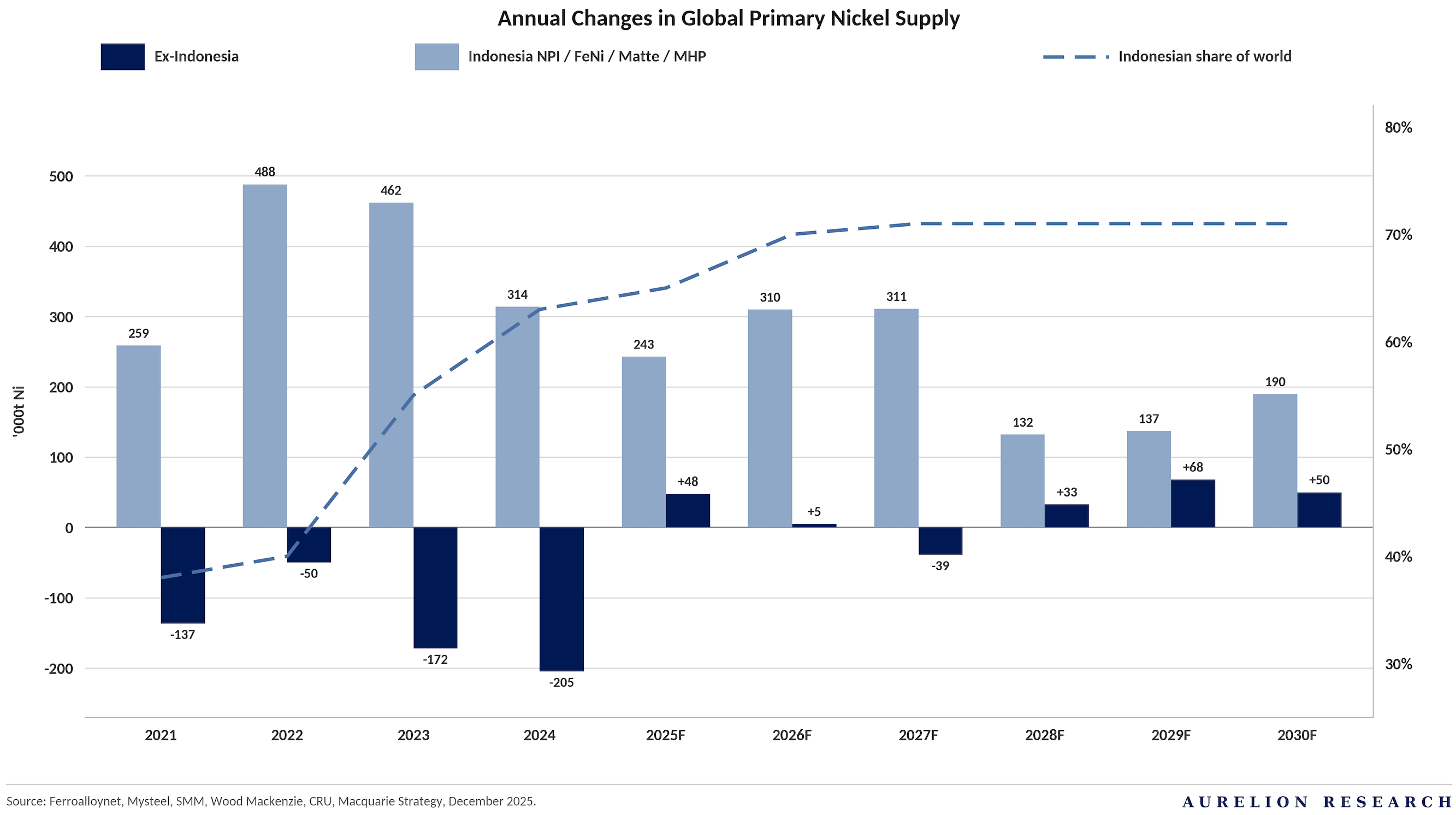
Indonesian Policy Uncertainty. Today, Indonesia dictates the global nickel market. They supply China, maintain a near monopoly on production, and control recent supply growth. This makes global prices highly sensitive to their internal regulations. The Indonesian government set the 2026 mining quota between 260M and 270M tonnes, but local smelters will actually require between 320M and 330M tonnes.
This significant shortfall forces processing plants to rely on imports from the Philippines, a dynamic that supports higher nickel prices. However, miners can request additional volume in July, meaning strict quota enforcement remains uncertain. Furthermore, the government delayed a planned nickel export tax, adding another layer of confusion to the policy outlook.
The Government Strategy. Indonesian authorities worry about how miners use the remaining nickel reserves. They believe too much nickel goes to stainless steel mills rather than the electric vehicle industry. To fix this and stop the oversupply, the government put new rules in place.